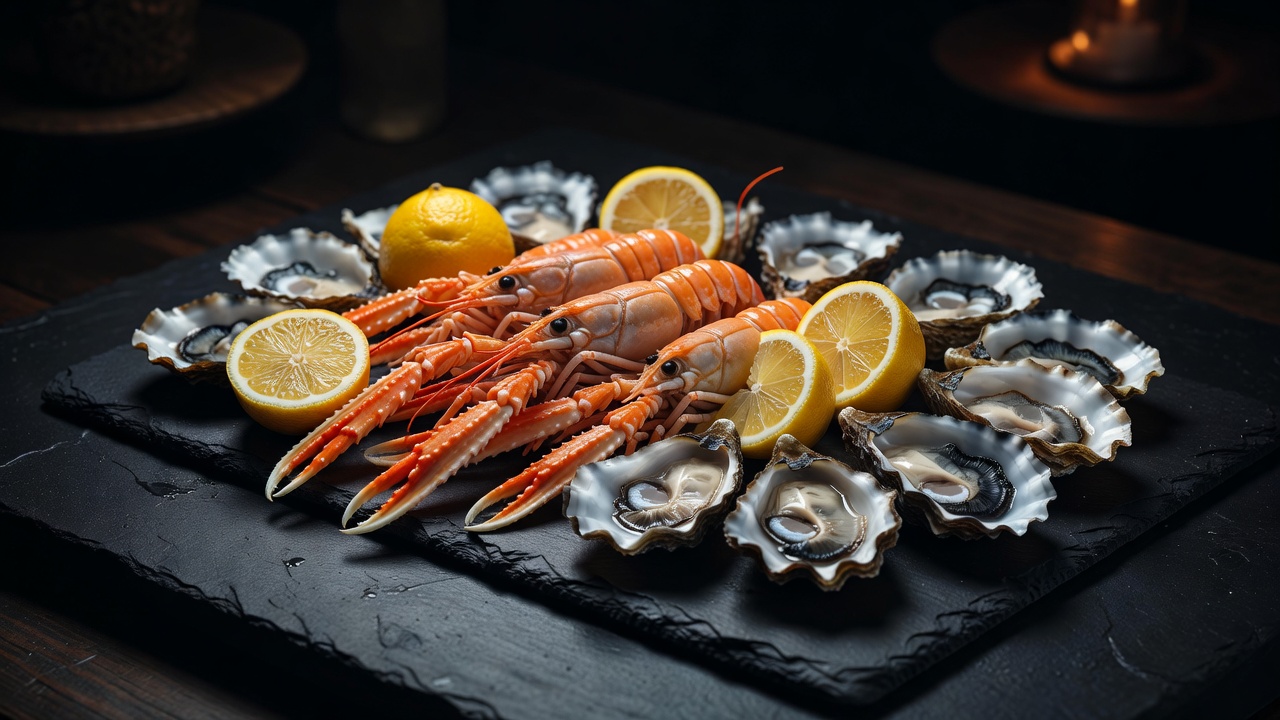
Read Europe through its seafood
Understanding the connection between local catch, cold Atlantic currents, Mediterranean salt winds, and historic tables that refuse modern compromise.
Explore coastal diningThe coast sets the menu — lead introduction
Seafood dining in Europe is rarely an exercise in universal culinary technique; it is an unyielding dialogue with ocean geography. A tavern perched on the granite shores of Galicia cooks under the jurisdiction of the rias bajas, where upwelling deep waters nourish barnacles and spider crabs impossible to cultivate in warmth.
Across the continent, genuine maritime tables operate without the luxury of stable industrial deliveries. Their character is shaped by what the tide provides, what the local fleet unloads into the fish auction hall at dawn, and which traditions survived centuries of coastline change. To read Europe through its seafood is to abandon static globalized menus and submit to the maritime seasons of each coastal basin.
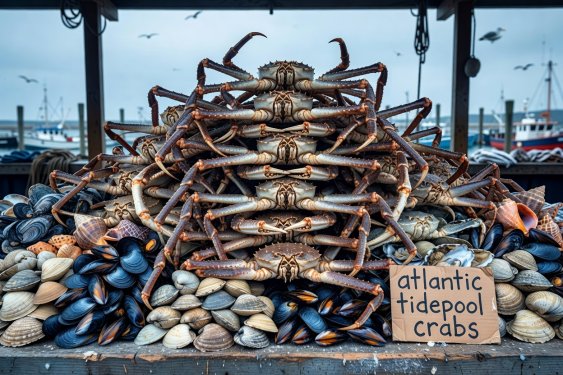
Cold Currents & Crustacean Density
From the Bay of Biscay to the Celtic Sea, turbulent colder temperatures demand robust shell construction and yield dense, mineral-rich meat in lobsters, spider crabs, and goose barnacles.
Examine Catch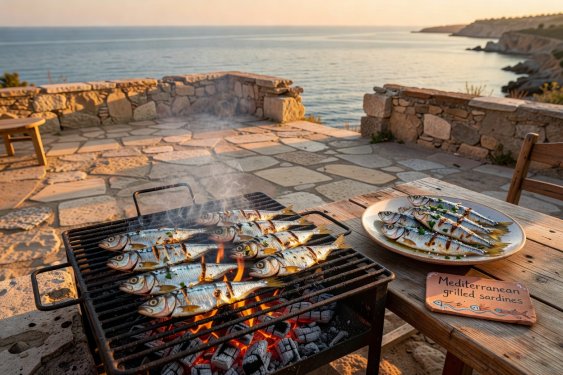
Charcoal Heat & Pelagic Intensity
In the warmer, saltier waters of the Ligurian, Tyrrhenian, and Aegean basins, pelagic fish like sardines, anchovies, and red mullet take center stage over open embers and wild olive oil.
Explore BasinsKnow what is on the plate — specialties preview
True local specialties depend upon indigenous species, seasonal water salinity, and centuries-old preservation techniques developed before refrigeration.
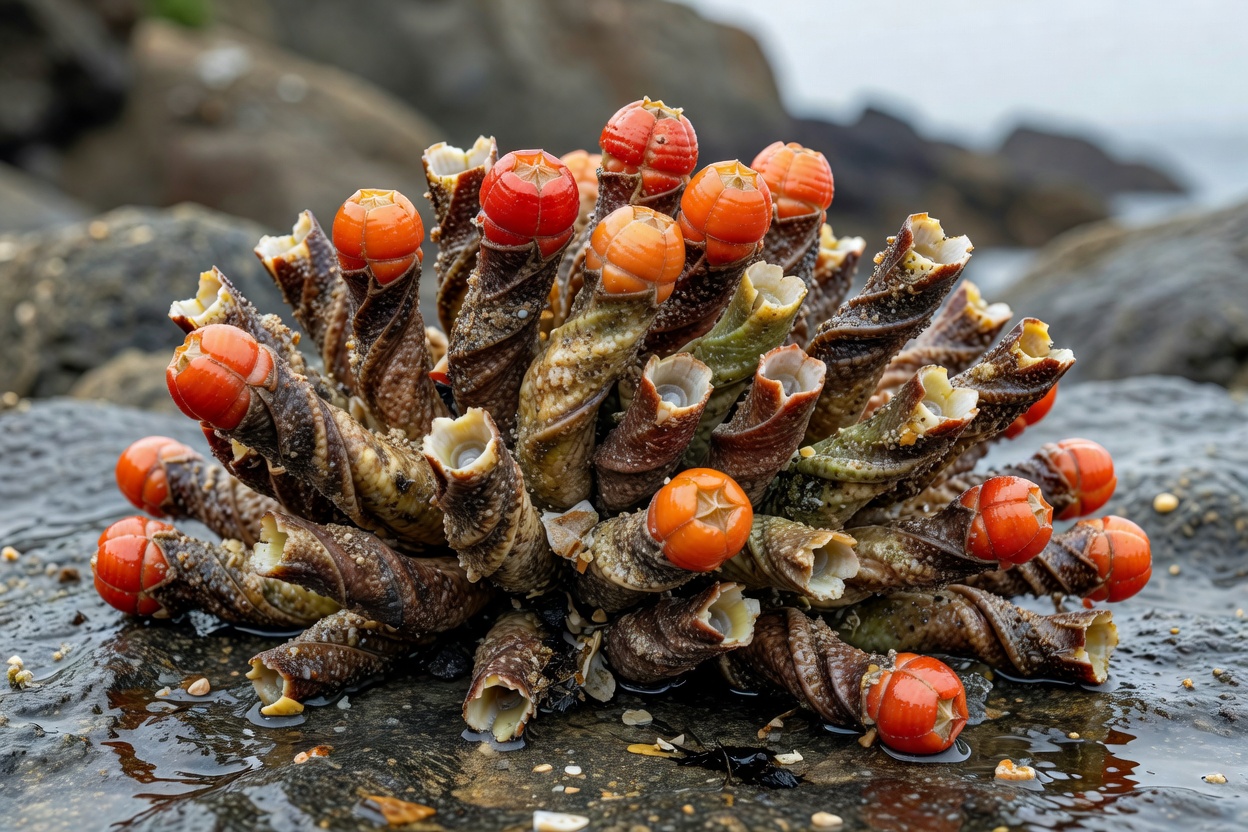
Percebes (Goose Barnacles)
Harvested by percebeiros braving crashing Atlantic surges on submerged rocks, goose barnacles require nothing more than sea-salted boiling water and a bay leaf. The flavor is a direct immersion in ocean spray and concentrated iodine.
Detailed Profile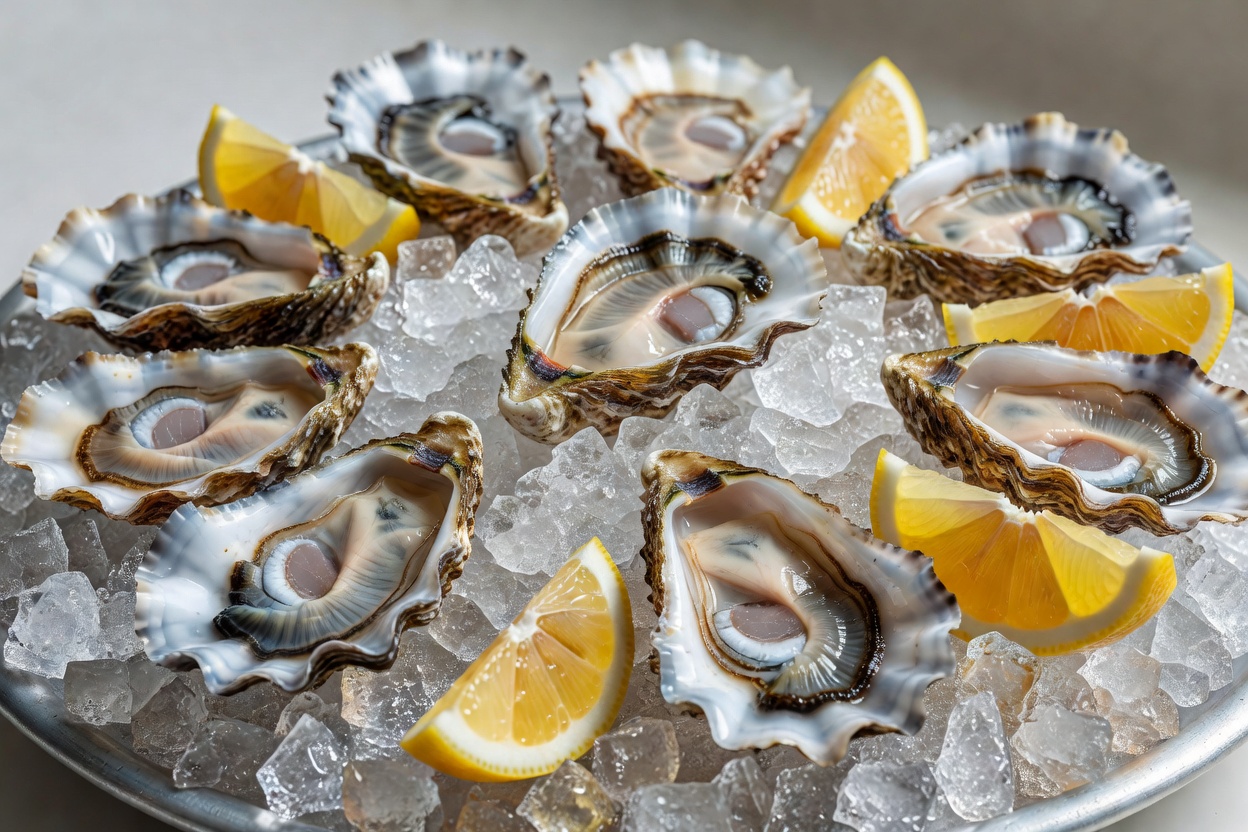
Ostrea Edulis (Belon Flat Oysters)
Unlike cupped Pacific oysters, Europe's native flat oyster develops a distinctive metallic, tannic finish refined in the brackish currents of Brittany's tidal rivers where freshwater peat mingles with Atlantic brine.
Detailed ProfileTables with a sense of place — restaurant preview
The continent's definitive seafood dining rooms share a stubborn refusal to separate their cooking from their immediate harbor docks. They are not defined by lavish decor, but by generational access to fish auctions.
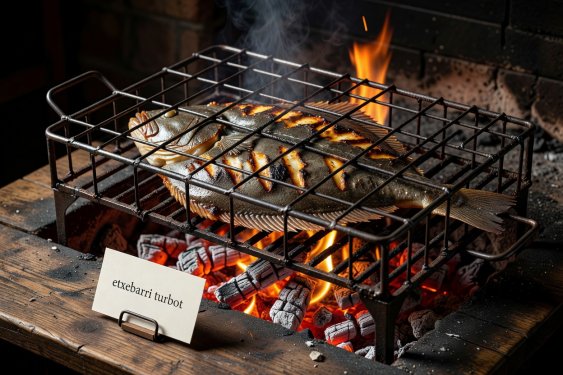
Elkano & The Parilla Tradition
In Getaria, whole turbot (rodaballo) is roasted untouched over open charcoal pits, respecting the gelatinous collar, skin fats, and natural bone marrow without heavy sauces.
Basque Overview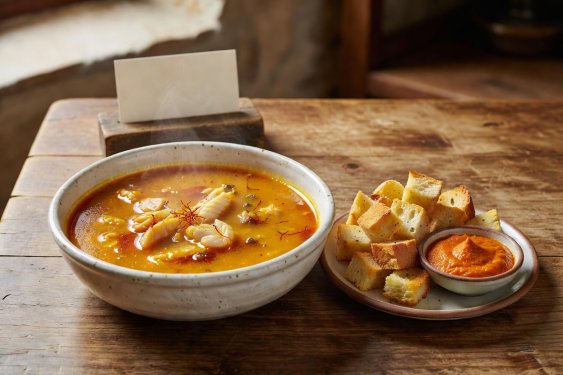
Chez Michel & Provençal Rockfish
True bouillabaisse demands rascasse (scorpionfish), vive (weeverfish), and conger eel simmered vigorously to emulsify fish oils with saffron, fennel, and garlic.
Provençal OverviewFollow the shoreline — coastal destination preview
Navigating coastal dining requires tracing regional coastlines rather than administrative borders. Each littoral zone commands its own rhythm of winds, currents, and culinary customs.
| Coastal Region | Predominant Water Body | Enduring Specialty | Distinct Dining Ethos |
|---|---|---|---|
| Rías Baixas (Spain) | North Atlantic Basin | Centollo, Percebes, Pulpo | Boiled in ocean water, coarse sea salt, paprika finish |
| Finistère & Morbihan (France) | Celtic Sea & Bay of Biscay | Plateau de fruits de mer, Belon oysters | Raw cold platters, salted churned butter, rye bread |
| Algarve & Costa Vicentina (Portugal) | South Atlantic Littoral | Cataplana de marisco, Percebes | Copper vessel steaming with coriander, garlic, white wine |
| Cyclades Archipelago (Greece) | Aegean Sea | Sun-dried octopus, Barbouni | Air-cured by sea breeze, flash-charred on olive wood embers |
Order with understanding — dining guidance preview
Weight, Seasonality, and Table Rituals
A frequent misstep among continental travelers is ordering seafood by generic portion size rather than understanding weight pricing (al kilo or au 100g) and seasonal life cycles. In authentic coastal venues, fish is shown whole before cleaning, pricing corresponds to the morning scale, and wild species dictate the bill.
Understanding when wild sea bass spawn, when cuttlefish ink is sweetest, and why shellfish should follow cold-weather months prevents disappointment and honors maritime preservation.
Read Dining NotesCheck the provenance — FAQ, source notes and independent editorial context
How are dining rooms selected for this guide?
Venues are chosen solely for their demonstrable adherence to regional fisheries, historical cooking techniques, and direct relationships with local dock auctions. We do not accept promotional sponsorship or commercial listings.
Why do menus fluctuate daily at the best coastal restaurants?
Small-boat coastal fisheries are strictly subject to wind speeds, tidal surges, and statutory quotas. A dining room that guarantees identical whole fish species 365 days a year is reliant on frozen storage or aquaculture rather than wild day-boat landings.
Where can I submit coastal field notes?
Independent diners and culinary researchers are invited to submit verified notes on preparation techniques, dock auctions, and regional fish varieties via our contact page.
Read Full FAQ