The regional catch
A taxonomic and culinary dossier of Europe’s defining marine harvests, detailing biology, water provenance, and traditional kitchen handling.
Purity of Ingredient Over Culinary Masking
Across Europe’s coastal fringes, traditional cuisine is characterized not by intricate multi-component sauces, but by severe restraint. When a catch possesses undeniable freshness and provenance, kitchen intervention is limited to boiling in sea water, searing over hot iron, or gentle emulsion with native fats.
The culinary value of these marine treasures originates in their environmental friction: the rough Atlantic tide surges that fortify barnacle muscle, the brackish tides that impart mineral tannins to flat oysters, and the hyper-saline waters of Mediterranean coves that concentrate fish oils.
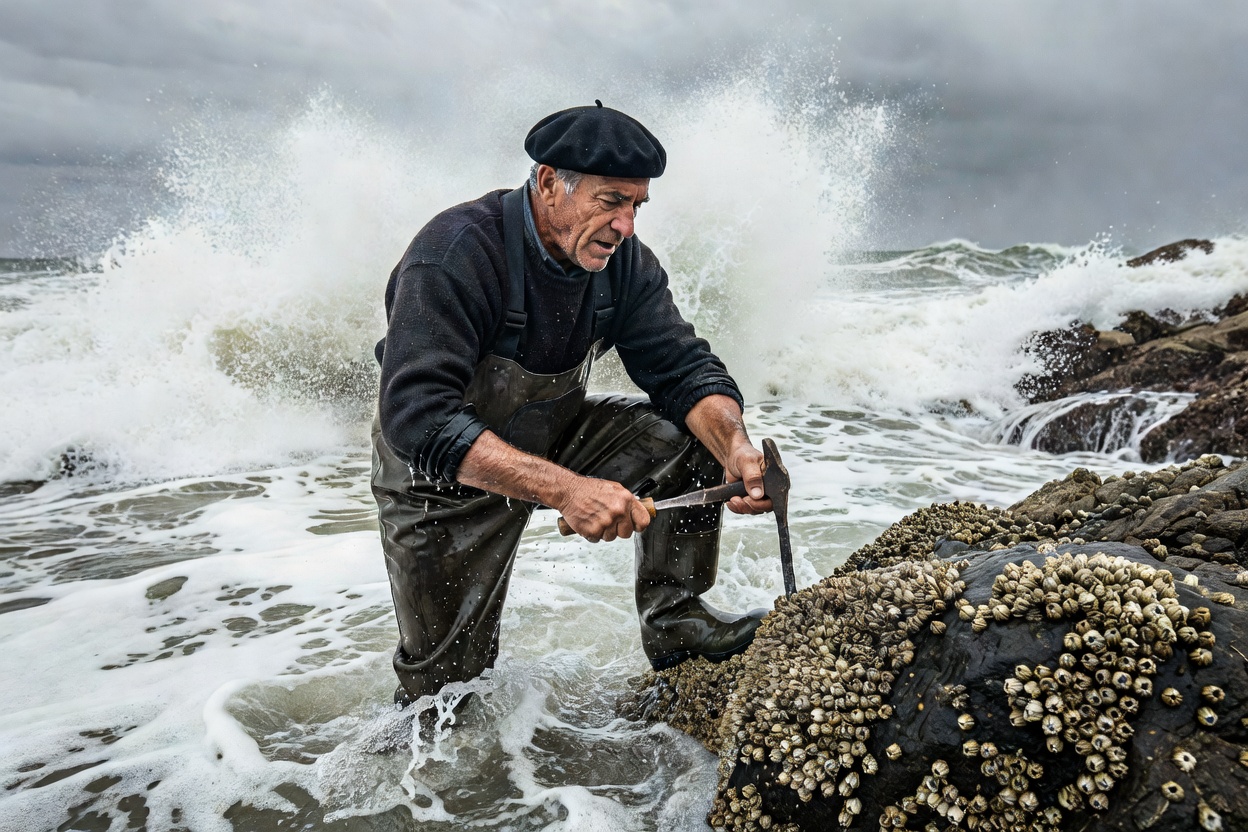
Percebes (Goose Neck Barnacles)
Habitat: Intertidal rocky bluffs of the Costa da Morte, Galicia, and Cabo de São Vicente, Portugal, where wave energy is at its most violent.
Culinary Character: Diners snap the tough outer leather casing to reveal a firm, tender cylinder of flesh. It delivers an explosive burst of pure oceanic brine, with texture akin to a marriage of razor clam and sweet crab. Cooked for only 90 seconds in boiling water with coarse salt.
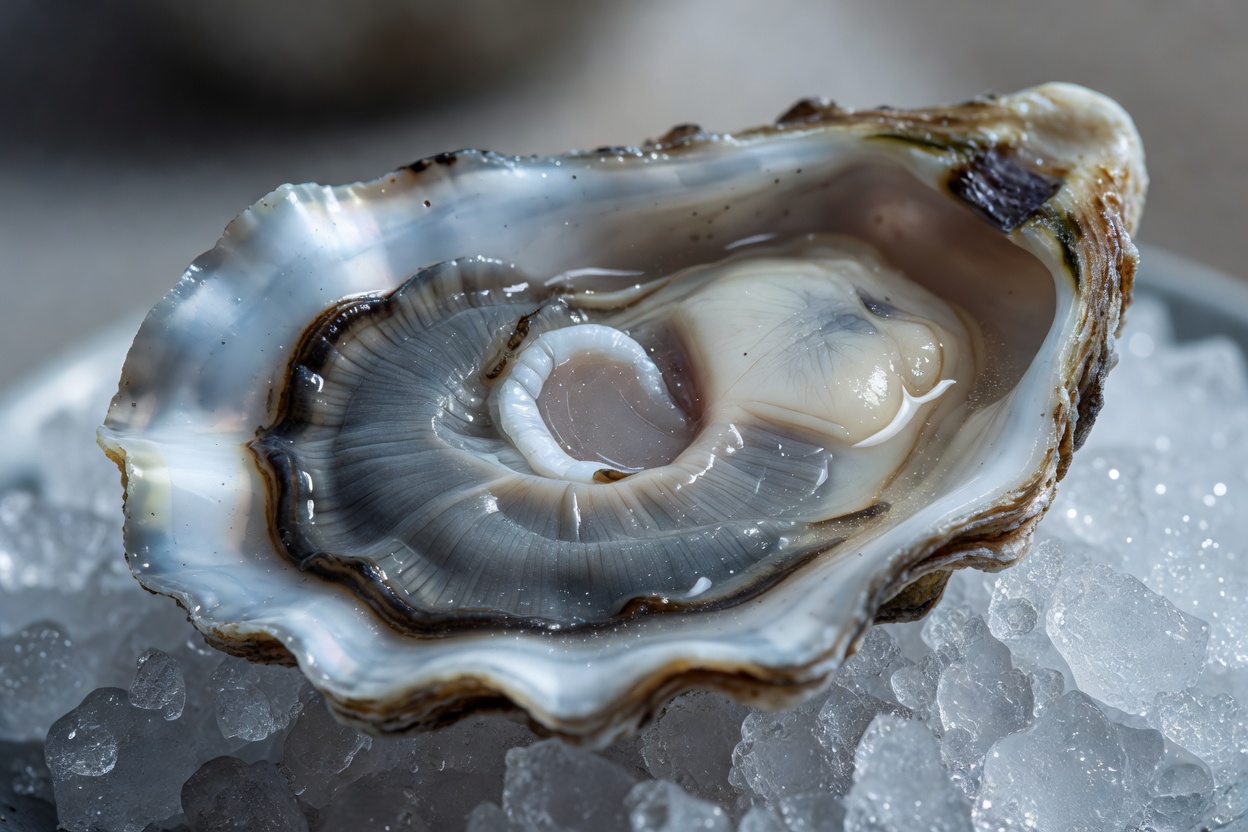
Belon Flat Oysters (L'Huître Plate)
Habitat: Native shallow beds and estuaries of Brittany and Cornwall. Unlike the ubiquitous Pacific gigas oyster, the Ostrea edulis is circular and flat.
Culinary Character: Revered for its firm crunch, velvety finish, and lingering metallic tang reminiscent of hazelnut, slate, and zinc. Never dressed with vinegars or sauces; eaten pure with cold sea liquor.
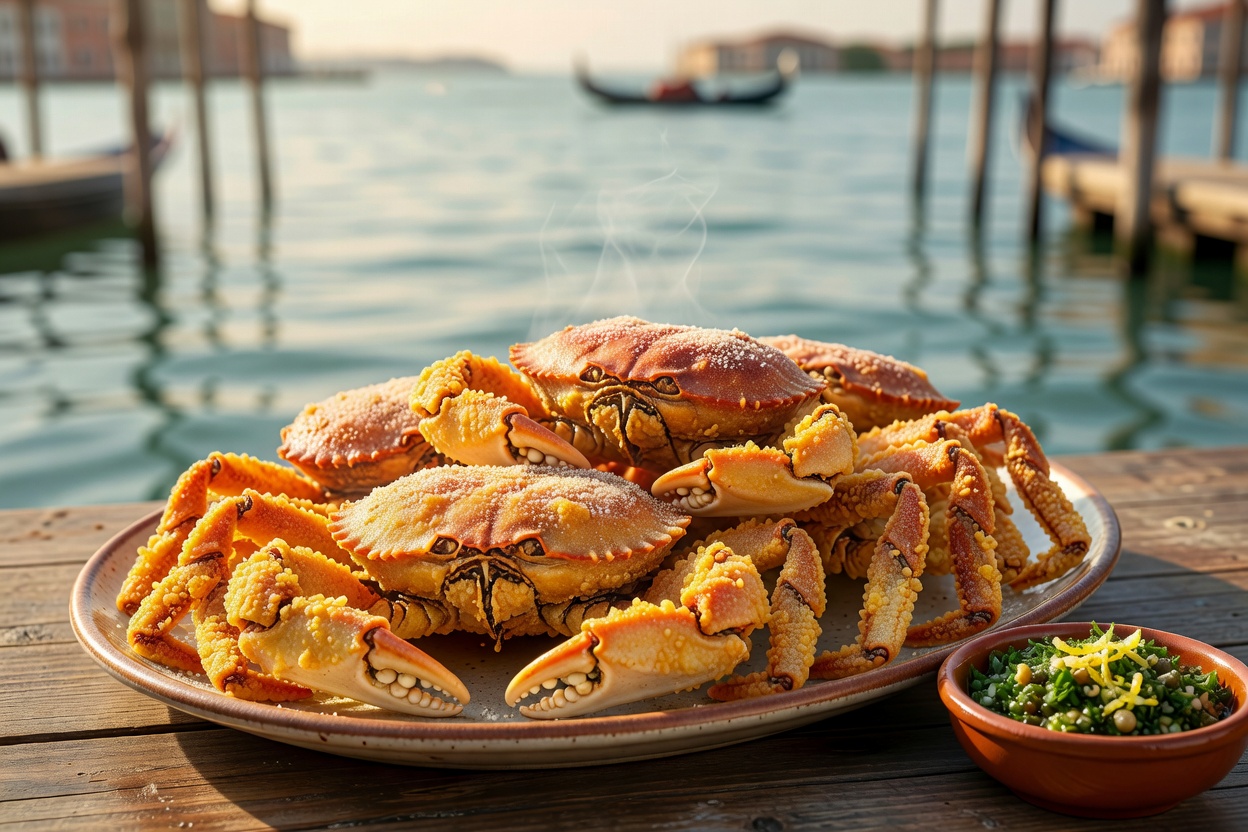
Moèche (Venetian Soft-Shell Green Crabs)
Habitat: Shallow tidal flats and salt marshes of the Venetian Lagoon (Chioggia and Burano).
Culinary Character: Harvested exclusively during two brief spring and autumn molting periods when crabs shed their rigid carapaces. Traditional fishermen (molecanti) separate molting specimens by hand. They are dredged in raw egg and cornmeal, then flash-fried so the entire sweet shell is consumed whole.
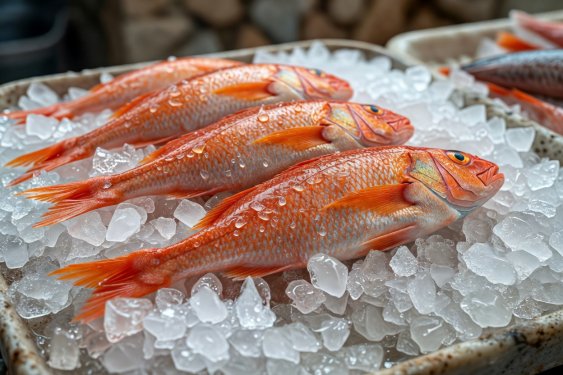
Barbouni (Red Mullet)
Basin: Aegean, Ionian, and Ligurian seas.
Prized since Roman antiquity for liver rich in aromatic fats. In Greece and Italy, freshly landed red mullet is pan-seared or grilled whole over vine clippings, its delicate, saffron-tinged liver eaten along with the rich, flaky white flesh.
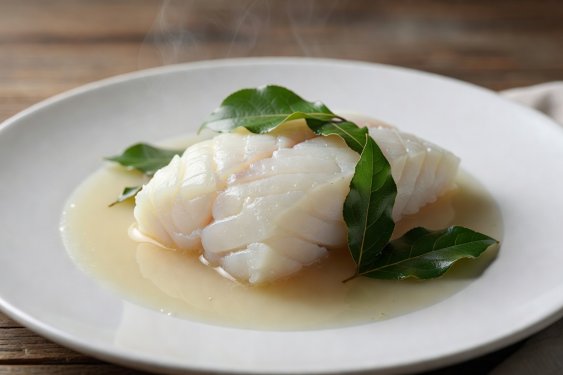
Skrei (Arctic Migratory Cod)
Basin: Barents Sea to the Lofoten Islands, Norway.
Between January and April, cod make a heroic 1,000-kilometer migration southward to spawn. The extreme muscular workout transforms the flesh into iridescent, firm white flakes with remarkable leanness and delicate sweet clarity.
Taxonomic & Culinary Lexicon
- Plateau de Fruits de Mer
- The grand French Atlantic architectural service of raw and chilled bivalves, bulots (whelks), crevettes grises, tourteau (brown crab), and langoustines resting on woven seaweed and crushed ice, accompanied by fresh mayonnaise, rye loaf, and salted butter.
- Pulpo á Feira
- Galician style tenderized octopus boiled in historical copper pots, sliced into coin discs using scissors, seasoned with flaky sea salt, extra virgin olive oil, and hot pimentón de la Vera over wooden platters.
- Bottarga / Avgotaraho
- Cured and pressed roe pouch of grey mullet or bluefin tuna, salted and air-dried in Sardinia, Sicily, and Messolonghi. Shaved over warm pasta or dressed on lemon-rubbed toast as concentrated umami.
- Cataplana Algarvia
- A clams, chorizo, monkfish, and prawn braise sealed tightly inside a hinged domed copper cookware vessel from southern Portugal, locking in aromatic moisture and sea steam.